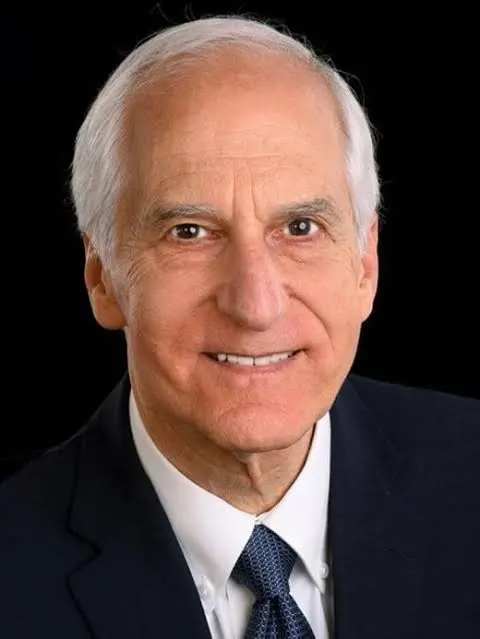

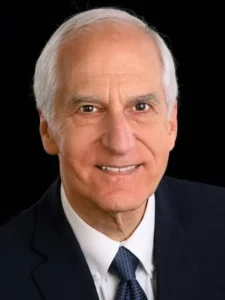



Jeremy Searle, a longtime Montreal city councillor who was as known for his outspoken nature as for his dedication to civic life, passed away on October 25, 2025, at the Lakeshore General Hospital. He was 72.
Born in Bristol, England in 1953, Searle moved to Montreal in 1982 after marrying Elizabeth Shapiro, who had grown up in the city. He quickly fell in love with Montreal, embraced its bilingual culture, and learned French as an adult. Before entering politics, he worked at a variety of jobs including as a bus driver, painter, refrigerator repairman, and ad writer. Those who knew him said his range of experiences gave him a rare understanding of the everyday struggles and humor of city life.
Searle first came to public attention in the 1980s as a community activist fighting to protect Montreal’s heritage buildings. He opposed large-scale developments that he felt would damage the city’s character, including a plan for a massive shopping complex on McGill College Avenue and another that would have demolished Victorian homes on Crescent Street. His ability to mobilize residents and speak fearlessly at public meetings made him a recognizable figure long before he ever ran for office.
In 1994, he was elected to represent the Loyola district on Montreal’s city council, where he served several terms over two decades. As a councillor, Searle became known for his fierce independence and refusal to conform to party politics. He championed traffic and pedestrian safety, often raising issues of crosswalk design, street lighting, and speeding long before they became standard parts of city debate. He also pushed for public health initiatives, including restrictions on smoking in taxis, and was among the first to call for better community input on major planning projects.
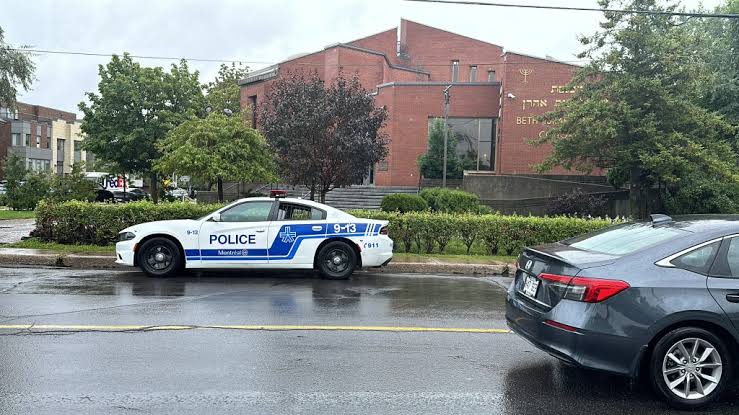
Even Searle’s critics acknowledged that he was deeply committed to the people he represented. His intelligence and his willingness to ask uncomfortable questions won him a loyal following among residents who felt ignored by the system. But his career was also marked by turbulence. In 2014, he was escorted out of a borough meeting after appearing intoxicated and behaving inappropriately toward a colleague. Two years later, he made comments about the Jewish community that were widely condemned as offensive. The remarks, and his often erratic behavior in his final term, hurt his credibility and contributed to his defeat in the 2017 election.
Those who worked with Searle described him as brilliant, unpredictable, and often misunderstood. He had a lifelong love of history, wordplay, and coincidence, and friends said he never lost his curiosity or sense of humor. His public persona could be combative, but privately he was reflective and devoted to his children and grandchildren. He remained proud of his service to Montreal and often told friends that public life was “the most frustrating and the most rewarding thing a person can do.”
Jeremy Searle leaves behind a complicated legacy. He will be remembered for his activism, his ideas, and his willingness to challenge power, as well as for the controversies that marred his later years. He is survived by his children, Kate and David, his grandchildren Mae and Aimen, niece Anna, and his longtime friend Patricia McGee.
Donations in his memory may be made to the Nova West Island palliative care organization at www.novawi.org.


Discover more from The Montreal Jewish News
Subscribe to get the latest posts sent to your email.