




By Joeseph Marshall
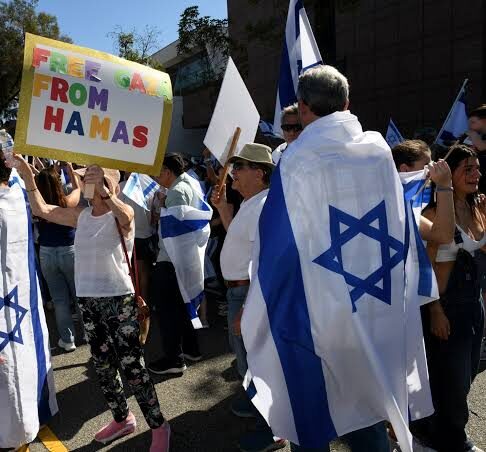
On November 5, just days before the anniversary of Kristallnacht, the Night of Broken Glass, a mob of anti-Israel activists stormed a Students Supporting Israel event near Bay and Elm in downtown Toronto. The symbolism was impossible to ignore. Eighty-seven years after Jewish shops and synagogues were smashed across Germany, Jewish students in Canada once again found themselves barricaded behind shattered glass, praying that help would come.
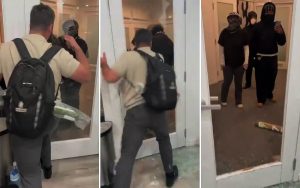
The event featured two former Israeli soldiers and had been organized by SSI at Toronto Metropolitan University. TMU refused to let the group hold it on campus, citing safety and logistical concerns, forcing them to rent a private hall nearby. That off-campus decision likely saved lives. When the protesters arrived, they forced their way in, breaking doors and sending terrified students scrambling. “Because of the glass and everything that happened with the door, we were scared that they were going to hurt us,” said Liat Schwartz, president of SSI @ TMU. “I think that we are all allowed to have free speech. I can’t change someone’s mind, but I’m allowed to share my voice.”
Inside, students pushed tables and chairs against the doors while the glass shattered around them. One of the attackers reportedly carried a drill bit. “It turned into absolute chaos,” said one participant. Toronto police arrived minutes later and arrested five suspects on charges including forcible entry, unlawful assembly, assaulting a peace officer, and obstruction. One person was injured by broken glass.
Still, the protesters defended what happened. “We refuse to quietly accept that war criminals could be brought into our city, into our campuses cloaked in the language of dialogue and safety,” one organizer said. Another claimed they had “sent emails, organised, and petitioned” before taking to the streets, as if broken glass could ever be an acceptable substitute for debate.
TMU’s administration issued a predictable statement condemning “acts of aggression, intimidation, or violence,” offering sympathy to “any students who may have been injured.” For the students who had just lived through it, those words were meaningless. The same university that denied them a space to speak was now condemning the violence it helped make possible.
Eighty-seven years after Kristallnacht, Jewish students are still being attacked behind broken glass. The mob in Toronto may not have worn uniforms or carried torches, but their message was the same; Jewish voices are not welcome. And until universities confront that truth instead of hiding behind polished statements, Jewish students will keep huddling in fear and the glass will keep breaking.


Discover more from Montreal Jewish News
Subscribe to get the latest posts sent to your email.