



By Joseph Marshall
Colombian authorities have removed seventeen children from the custody of Lev Tahor after a quiet police operation at a remote hotel in Yarumal, the latest chapter in the long, troubling saga of the extremist cult that once embedded itself in Quebec’s Jewish community.
Immigration officials say the group of twenty six people arrived in October and had been scouting rural land to establish yet another compound, a pattern that has repeated across multiple continents for more than a decade. When officers intervened, they found five minors listed in active Interpol yellow notices, including children holding United States and Guatemalan passports. The adults were not immediately arrested due to the absence of Colombian warrants, but officials indicated that deportation procedures have begun and that the priority is the protection of the children.
The operation is significant not only for what was prevented in Colombia, but for what it reveals about the ongoing flight pattern of Lev Tahor. The group continues to migrate from jurisdiction to jurisdiction, usually leaving behind investigations, court orders and allegations of abuse. For Canadians, it is a story that began in Quebec and still casts a long shadow.
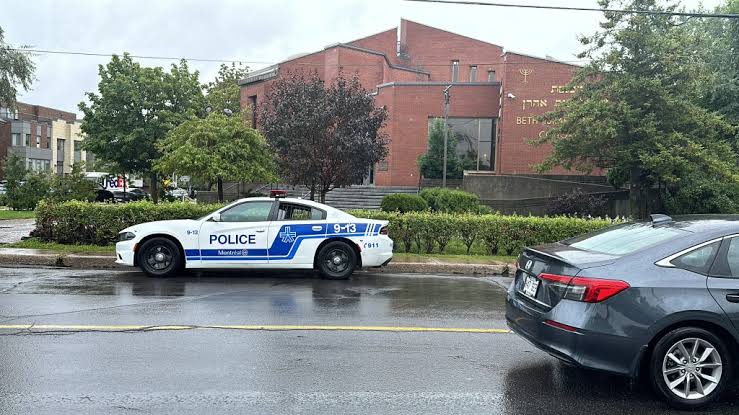
Lev Tahor planted roots in Sainte Agathe des Monts in the early two thousands, presenting itself as a fringe ultra Orthodox community but quickly drawing attention for its isolationist lifestyle, extreme dress codes and strict internal discipline. What began as a curiosity soon escalated into a full scale child protection crisis.
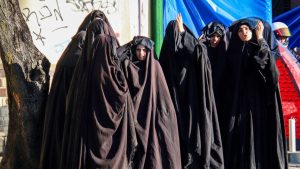
By 2011 Quebec child welfare workers had raised alarms about malnutrition, forced marriages of minors, lack of schooling and psychological abuse. Families reported being kept under heavy surveillance within the group, children were subjected to long fasts, and girls were forced into full body black garments that concealed even their faces. Multiple investigations culminated in a Quebec court ordering several children into foster care. The community’s response was instantaneous. Rather than comply, Lev Tahor fled the province overnight, bussing members to Ontario in an attempt to evade provincial jurisdiction.
The group’s leadership then initiated a years long migration, Ontario, Guatemala, Mexico, the Balkans, each move strategically timed to stay ahead of authorities pursuing custody orders or criminal cases. Quebec’s original concerns were later echoed by foreign governments, often in far more severe terms.
The pattern is now familiar. Raids in Guatemala in 2024 uncovered more than one hundred sixty children and dozens of women who were immediately removed from the compound for their safety. Authorities described systematic sexual abuse, forced pregnancies, violent discipline and arranged marriages of girls as young as twelve. United States prosecutors have secured convictions against senior Lev Tahor leaders for kidnapping and transporting a fourteen year old girl for illegal sexual contact. Several leaders are still wanted or under international scrutiny.
Colombian officials were clearly aware of this history. That is why the intervention came early, before the group could purchase land and erect the isolated compounds they are known for. Authorities emphasized that once a closed community is established, accessing the children requires warrants and prolonged legal battles. Colombia acted before Lev Tahor could dig in.
Even after the group fled Quebec, its connections to Montreal never fully dissolved. Several of the children involved in past custody battles were born in Quebec hospitals to parents still legally tied to the province. The Quebec orders that first triggered Lev Tahor’s flight remain part of the international documentary chain used today by foreign governments, including Interpol, to track missing or endangered minors.
Several Montreal based Jewish organizations, which had sounded alarms long before the province intervened, continue to provide information to international partners monitoring the sect’s movements. Some Canadian parents and extended family members remain entangled in custody disputes that began in Quebec courts more than a decade ago.
Canada’s role in the story is not passive. It was Quebec’s vigilant child protection workers who first exposed practices that other countries would later confirm on an even larger scale. It was Canada that issued some of the early custody orders now informing cross border investigations. And it was the province’s refusal to ignore the warning signs that forced the sect to begin its nomadic evasion strategy.
Colombia’s actions do not resolve the global problem, but they do mark a rare win. Law enforcement intercepted a group before it could vanish into another closed compound. Children with active international alerts have been located. And the authorities in multiple countries are once again comparing evidence.
The adults may face limited consequences in Colombia, but the pressure on the sect is increasing. Each time Lev Tahor tries to re establish itself, authorities are now quicker to intervene and more knowledgeable about the group’s tactics.
Lev Tahor remains stateless, rootless and dangerous. But with each international intervention, the space in which it can hide continues to shrink.


Discover more from The Montreal Jewish News
Subscribe to get the latest posts sent to your email.