
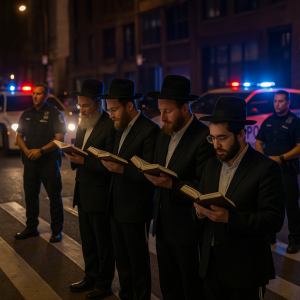
Montreal’s agglomeration council wanted nothing to do with prayer this week. They slammed the door on debate, silenced voices, and shoved an uncomfortable conversation off the table. Côte-St-Luc councillor Dida Berku, with Mayor Mitchell Brownstein at her side, demanded the chamber face reality: that public prayers are no longer always quiet acts of devotion but staged demonstrations, often political theatre dressed up as piety. She singled out gatherings outside Notre-Dame Basilica and urged that boroughs and cities be given the right to set their own secular rules. “This is a major issue,” Berku said, raising her voice in a room that had no interest in hearing it.
Projet Montréal’s François Limoges brushed it all away. “We are not a speculative body. There is no bill before us,” he snapped, before cutting the discussion cold. Brownstein tried to speak, but Limoges ended question period and refused to grant even a few more minutes. Brownstein accused the ruling party of cowardice, of gagging the conversation because they fear it will dominate the campaign. “They do not want to discuss any of these issues before the election. They don’t want it to be an election issue,” he said, his anger clear. Beaconsfield Mayor Georges Bourelle went further, unloading years of frustration on the entire structure. “This government absolutely stinks,” he shouted. “This agglomeration should not exist the way it is, and after 12 years I can tell you demerged municipalities have absolutely nothing to say.”
All of this unfolds with Premier François Legault waiting in the wings, ready to outlaw public prayer across Quebec. He says it’s about neutrality. But neutrality has become his brand, the same excuse used to strip public servants of their religious symbols under Bill 21. A new Leger poll shows Quebecers are more than willing to go along, with 43 percent saying public prayer should never be permitted. Those numbers embolden the government but horrify civil rights groups who warn that the Charter is being trampled in plain sight. Freedom of religion, freedom of expression, freedom of assembly, what good are they if politicians decide where and when you can pray?
Religious leaders are furious. Montreal’s Archbishop Christian Lépine said banning prayer is “like forbidding thought itself.” Jewish and Muslim leaders have warned that if prayer is stripped out of the public square, civic spaces stop being neutral and start being hostile. The Supreme Court ruled in the Saguenay case that governments must stay neutral, but it never stripped ordinary people of the right to pray in public. Quebec is choosing to ignore that, pushing secularism to extremes that look more like punishment than policy.
Projet Montréal shrugs and claims the issue doesn’t concern Montrealers, that it belongs to Quebec City. But Berku isn’t buying it. “This deserves open debate,” she said, accusing the council of burying an election issue they don’t want to confront. The truth is simple: leaders don’t want to be caught defending or condemning prayer in public before voters head to the polls. So they shut their mouths, shut down debate, and hope the storm passes. But this storm isn’t passing. With legislation on the way and tempers flaring, Quebec is rapidly marching headlong into a clash between secular dogma and fundamental freedom.

Leave a Reply