
By Joseph Marshall
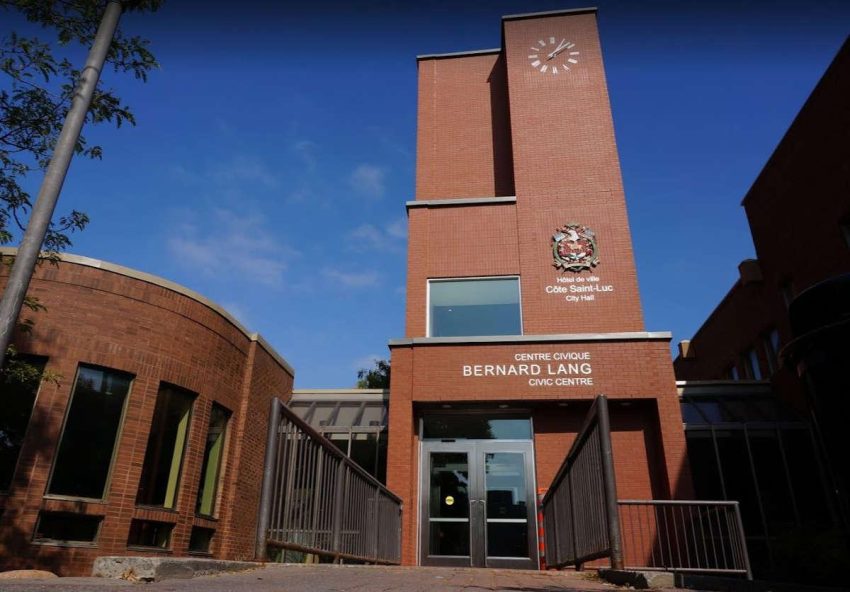
The City of Cote Saint Luc released a statement responding to the Quebec government’s new Bill 9 and made it clear that the city is reviewing the legislation closely and is concerned about its potential effects on local institutions and residents. In its statement the city acknowledged that some measures in the bill such as limiting demonstrations near places of worship and restricting face coverings in certain educational settings might respond to legitimate safety concerns that have surfaced over the past few years. At the same time the city warned that other parts of the legislation raise serious questions including the possibility that new secularism rules could extend into subsidized private schools childcare services health related institutions and community programs. The city also noted concerns about how the bill could affect the ability of institutions to provide religious dietary meals something that is not a marginal accommodation but a central requirement in a community where the majority of residents are Jewish and where kosher food is not optional but foundational.
Bill 9 known formally as An Act respecting the reinforcement of laicity in Quebec was tabled at the end of November and represents the province’s most sweeping expansion of secularism laws since the earlier Bill 21 which restricted religious symbols for certain public employees. Bill 9 goes much further and seeks to regulate religious expression in a wide range of settings. The bill would prohibit collective religious practices in public spaces unless a municipality grants special permission which means that spontaneous public prayer or religious gatherings could become subject to municipal approval. It would ban dedicated prayer rooms in colleges universities and many public institutions and it expands the restrictions on religious symbols to include employees in subsidized daycares accredited private schools and a variety of publicly assisted services. The bill also limits religious accommodations by discouraging the provision of meals that meet religious dietary requirements within subsidized services and it grants the government greater authority to penalize private religious schools that select students or design curricula based on religion.
Provincial officials argue that the bill is necessary to reinforce state neutrality and to clarify the boundaries of religious expression in public institutions. Civil liberties groups faith based organizations and educators say the bill undermines freedom of religion freedom of expression and peaceful assembly and would disproportionately affect religious minorities. They warn that the legislation would force some workers to choose between their employment and their religious identity. Teachers and daycare staff who wear kippas and hijabs could be barred from working in subsidized institutions a reality that directly affects Jewish residents of Cote Saint Luc more than most communities in the province.
For Cote Saint Luc the implications are significant. The city is not a multicultural mosaic in the way many other Montreal suburbs are. It is one of the most Jewish municipalities in Canada where kosher food Jewish schools synagogues and religious observance are central features of everyday life. If Bill 9 becomes law institutions that serve the community may face new restrictions or may be required to alter practices that have been firmly in place for generations. Religious schools that receive government subsidies could be forced to remove visible religious expression from staff or risk losing accreditation and funding. Daycares and after school programs that respect Jewish traditions could face new limitations. Even public gatherings like outdoor holiday events that include religious elements could require municipal authorization.
Cote Saint Luc stated that it will remain in contact with local institutions and community leaders as the legislation moves forward. The city emphasized its commitment to protecting the rights and well being of its residents and indicated that it will continue to monitor the progress of Bill 9 through the National Assembly. The coming months will likely include public consultations and intense debate as communities across Quebec react to a bill that has the potential to reshape religious life in the province. In a city where Jewish identity is not an accessory but a defining characteristic the impact of Bill 9 will be felt especially sharply and residents are watching the process closely.


1 thought on “Cote Saint Luc Sounds the Alarm as Quebec’s Bill 9 Targets Religious Life in Majority Jewish City”