


By Linda Shefferman
Many synagogues around the world use Rabbi Shlomo Carlebach’s compositions as the basis of prayer, but rarely mention the women who accused him of sexual abuse.
His melodies are sung during Kabbalat Shabbat, on the High Holidays, at weddings, around Shabbos tables and at Jewish events across the world. Entire services are advertised as Carlebach minyanim, and many of his tunes are now so deeply embedded in Jewish prayer that people sing them without knowing who wrote them.
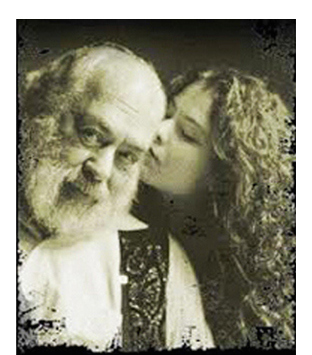
Carlebach was known as the Singing Rabbi. He reached Jews who felt alienated from organized Judaism, brought music and emotion into services that had become formal and distant, and developed a following that treated him as far more than a performer. To many, he was a spiritual giant.
He was also accused by numerous women of sexual harassment, unwanted sexual touching and abuse, including allegations involving teenage girls and a 12-year-old child.
The allegations were first gathered publicly in a 1998 investigation published by Lilith magazine, four years after Carlebach died. Journalist Sarah Blustain interviewed women, rabbis, therapists and Jewish community leaders who described conduct that allegedly continued for decades.
One woman, identified as Rachel, said she was a high school student at a Jewish summer camp when Carlebach asked her to walk with him. She said he asked for a hug, refused to release her and rubbed himself sexually against her while she tried to get away.
Robin Goldberg said she was approximately 12 when Carlebach fondled her breast while dancing with her. She told her mother and was informed that she must have misunderstood what happened. Years later, Goldberg said she encountered him again and experienced similar behaviour.
Rabbi Goldie Milgram said she was 14 when Carlebach pulled her against his body, placed his hands under her clothing and rubbed himself against her. Other women described sexualized telephone calls in the middle of the night, heavy breathing, questions about what they were wearing and invitations to meet him alone in hotel rooms.
Carlebach was never charged or tried. He died in 1994, before the allegations became widely public, and there was never a criminal prosecution or civil abuse case that tested the accusations in court.
The complaints, however, did not begin after his death. According to the Lilith investigation, concerns about his conduct circulated while he was alive. Some Jewish organizations stopped inviting him, community leaders were warned, and a group of women attempted to confront him about the late-night calls, hotel-room invitations and his behaviour toward women.
Cantor Sara Shendelman said she confronted Carlebach directly after the other women became too frightened to speak. According to her account, he eventually replied, “Oy, this needs such a fixing.”
For years, the Jewish community avoided the subject. Carlebach’s defenders said he was affectionate, that he hugged everyone and that his behaviour had been misunderstood. His music continued to be sung, his recordings continued to be sold and his reputation as a holy man remained largely intact.
A new documentary, The Darkest Light, has brought the allegations back into public view. Directed by Simon Mendes, the film premiered at the San Francisco Jewish Film Festival on July 19. It includes testimony from women who say Carlebach harmed them, archival footage of Carlebach and interviews with people who continue to defend him.
The reviews have been strongly positive. Critics have praised the documentary for showing Carlebach’s enormous influence without allowing that influence to bury the women. Several reviews noted the film’s use of Carlebach’s own teachings about darkness, concealed wrongdoing and the need for “fixing,” placed beside the accounts of the women who accused him.
The film also follows Carlebach’s daughter, singer Neshama Carlebach, as she confronts her father’s legacy.
On the day of the premiere, Neshama published an article explaining why she would not attend. She wrote that her father profoundly shaped Jewish life through his music and teachings, and then stated plainly that he also caused profound harm.
Addressing the women, she wrote, “I believe you. I see you. I hear you.”
She referred to the women featured in the documentary as victims of her father’s actions and apologized for not standing with them sooner.
Her statement removes much of the fog that has surrounded the story for years. Neshama Carlebach is not describing rumours, misunderstandings or accusations that deserve to be politely acknowledged and then forgotten. She believes the women, calls them victims and accepts that her father harmed them.
The question now facing synagogues is what to do with the music.
Some congregations have stopped using Carlebach’s melodies. Others have reduced their use. Most continue singing them, often without ever mentioning the allegations or considering whether women sitting in the congregation may have their own history with him.
Carlebach’s music is not going to disappear. It has become part of Jewish prayer, and many of his compositions now belong as much to the communities that sing them as they ever did to the man who wrote them.
The Jewish community has spent decades celebrating Shlomo Carlebach’s music while ignoring the women who said he abused them. We now know the complaints circulated during his lifetime, we know multiple women gave detailed accounts, and we know his own daughter believes them.
Carlebach’s melodies may continue to fill our synagogues, but every time we sing them without acknowledging the women, we make a choice. We choose the comfort of the tune over the pain of those who say he harmed them.
Shlomo Carlebach will never face a courtroom. He will never be forced to answer the allegations, and the women will never receive a verdict. That does not require the Jewish community to keep protecting the mythology surrounding him.
We can stop pretending that talent, charisma and religious influence cancel out abuse. We can stop teaching children about the holy Singing Rabbi while leaving out the women who say he used that holiness to get close to them.
His music may remain, but the silence should not.


Discover more from The Montreal Jewish News
Subscribe to get the latest posts sent to your email.