


By Nechama Rubenstein
Summer is a time when families get out of the house, explore the city and visit the attractions that become crowded almost as soon as school ends. It now feels perfectly normal to see parks filled with children, lineups outside museums and families trying to squeeze as much as possible into a warm afternoon.
It is easy to forget how different things looked only a few years ago. During COVID, many of those same places were closed. There was very little for families to do, and even neighbourhood playgrounds were wrapped in yellow police tape. Swing sets and climbing structures looked more like crime scenes than places where children were supposed to play.
Looking back, it is fair to ask whether every precaution was necessary. Did closing playgrounds really slow the spread of the virus? How many people were protected because a child was prevented from using a swing that afternoon? What scientific evidence supported each decision? More importantly, how many of us actually looked for those answers, and how many simply accepted what we were told?
When COVID was first becoming a global pandemic, Canada’s Chief Public Health Officer, Dr. Theresa Tam, said that masks were not necessary for the general public. At the time, masks were in short supply and difficult to find in local stores. Canada had also donated personal protective equipment, including masks, to China as it dealt with its own outbreak.
A few weeks later, as masks became more widely available, the message changed. Suddenly, everyone was expected to wear one. Those who refused were treated as though they were endangering the people around them. In some cases, they could be removed from supermarkets and other public places.
The remarkable part was not only that the policy changed. It was how quickly people forgot that the opposite advice had been given only weeks earlier. Very few demanded an explanation. The public simply adjusted to the new message and carried on.
There may have been valid reasons for changing the guidance. Scientific knowledge develops, circumstances change and officials sometimes have to revise their recommendations. But changing advice should lead to more questions, not fewer. Instead, questioning public policy was often treated as though it were the same as rejecting science entirely.
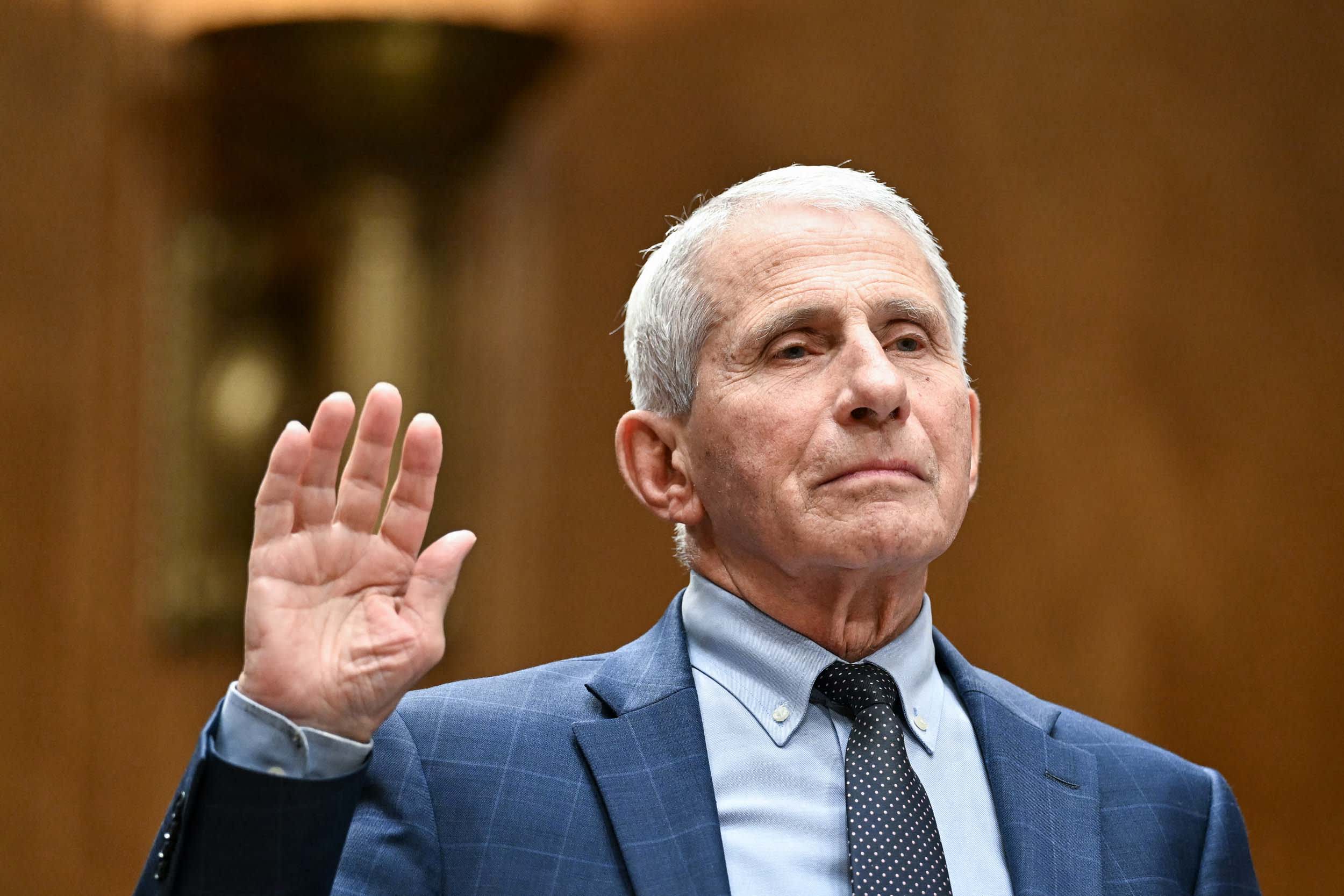
Questions about the pandemic have not disappeared. Dr. Anthony Fauci, who served as Chief Medical Advisor to President Joe Biden, has continued to face scrutiny over the origins of COVID and the information provided to the public during the pandemic.
Understanding how the outbreak began is not merely an argument about the past. It affects how governments, scientists and public health agencies prepare for the future. It is difficult to prevent another pandemic when we still do not fully understand how the last one began.
Was the virus the result of a laboratory accident, or did it emerge through natural transmission from animals? Those are two very different possibilities. Each would require different safeguards, different policies and a different understanding of what went wrong. We cannot properly prepare for the next crisis while refusing to examine the unanswered questions surrounding the last one.
The deeper concern, however, goes beyond COVID. The pandemic revealed how easily people can be pushed toward a position when the same message is repeated often enough and disagreement is treated as dangerous.
We saw that pattern again after October 7.
The world quickly became divided over Israel and the war in Gaza. Many people condemned the actions of the Israel Defense Forces, while others argued that Israel had the right and responsibility to defend itself after the massacre, kidnappings and atrocities of October 7.
Yet when many supporters of the pro Palestinian movement are asked what Israel should have done in response, they often struggle to provide a clear answer. Some have only a limited understanding of what happened on October 7, the history of the conflict or the groups involved. Their opinions are strong, but the knowledge behind them is often shallow.
It sometimes appears that people join protests because their friends are attending, because a video appeared repeatedly on their social media feed or because one side has successfully presented itself as the only morally acceptable position. The conclusion comes first. The research, if it happens at all, comes later.
COVID was not a unique moment. It exposed a broader problem in society. The media, governments, institutions and social media platforms have enormous power over how people receive and process information. During the pandemic, many people followed constantly changing rules because they trusted government officials and medical experts. After October 7, many formed equally strong opinions about a complicated conflict based on short videos, slogans and posts shared by the people around them.
In both cases, the same question should have been asked: Are we taking the time to understand the full story, or are we simply accepting the version being presented to us?
Too many people no longer ask questions before forming an opinion. Younger generations are especially vulnerable to platforms such as TikTok, where complicated historical and political issues are reduced to a few seconds of video. They are often influenced by the loudest voice rather than the most accurate one.
Over the past five years, my faith in humanity has declined. Fewer people seem willing to think critically, examine opposing arguments or do their own research. We are increasingly told whom to trust, what to believe and which questions are acceptable to ask.
If COVID taught us anything, it should be that questioning authority is not the same as rejecting facts. We should not accept every statement simply because it comes from a government official, a medical expert, a television network or a popular social media account.
When something does not make sense, we should ask why. When the message changes, we should ask what changed. When millions of people suddenly repeat the same slogans, we should ask where those slogans came from.
The world did not need to be silenced; it needed to be informed.


Discover more from The Montreal Jewish News
Subscribe to get the latest posts sent to your email.





Very well said Nechama critical thinking is not about automatically rejecting authority; it is about refusing to let anyone else do our thinking for us. It also means questioning our own side, admitting uncertainty and being willing to change our minds when the evidence changes. Too often, during COVID and after October 7, honest questions were answered with labels and slogans instead of facts. Silencing questions does not build trust -it destroys it.